
The von Dohren Family’s Failing Inheritance
Der goldene HandschuhThis thread follows the von Dohren family’s damaged shipping fortunes, inherited guilt and resentment, and a public reconciliation that cannot repair the past.
increasing Bearing strength in each event
 decreasing
Bearing strength in each eventdecreasingA Fortune Built on Expropriation
A Fortune Built on Expropriation
An opportunistic alignment
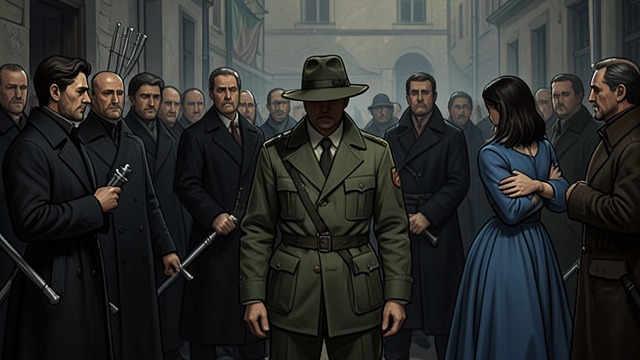
Wilhelm Heinrich von Dohren (First Generation) joins the Nazi Party early, not from stated ideological conviction but because he anticipates the political shift and its advantages. The family gains property and ships taken from the Jewish Arronge family after their expropriation.
The cost of the acquisition
After the war, the fate of the Arronges becomes known, while the Allies seize much of the von Dohren fleet. Hamburg’s merchant society ostracizes the elder patriarch, forcing him to hand over control of the company to his son.
Resentment rather than repentance
The elder man interprets the consequences as an injustice done to him and resents other shipping families whose fortunes also have compromised origins. His grievance becomes a private moral world in which injury to himself matters more than the people whose losses made his wealth possible.
The Second Generation’s Business Decline
The Second Generation’s Business Decline
Early commercial success
Wilhelm Heinrich von Dohren (Second Generation) initially prospers through shipping and East-West barter arrangements. His success appears to secure the family enterprise, but it depends on favorable conditions that are not permanent.
Structural change and setbacks
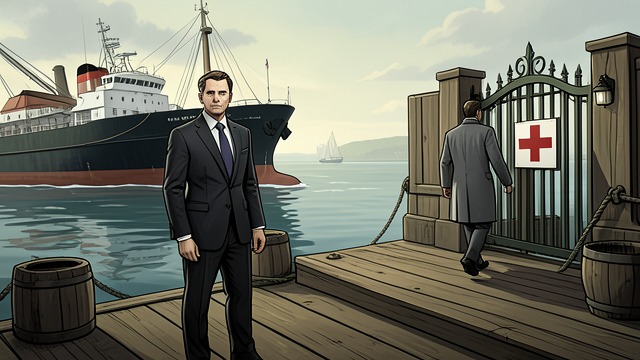
The container revolution alters the industry, while the family’s ship is trapped in the Suez Canal after its closure in 1967. A later tanker order also becomes a liability when the oil crisis sends market conditions sharply against the company.
Approaching insolvency
By the mid-1970s, declining prices, costly ships, and earlier strategic mistakes leave the business in danger of bankruptcy. WH 2’s sense of professional failure parallels the family’s inability to escape the consequences of decisions made during earlier periods of confidence.
WH 1’s Ledger of Grievances
WH 1’s Ledger of Grievances
A patriarch in retreat
Wilhelm Heinrich von Dohren (First Generation) appears silent and diminished after losing control of the company. His family assumes that age has made him senile, but he uses their underestimate of him to conceal a continuing fury.
Rancor as a private project
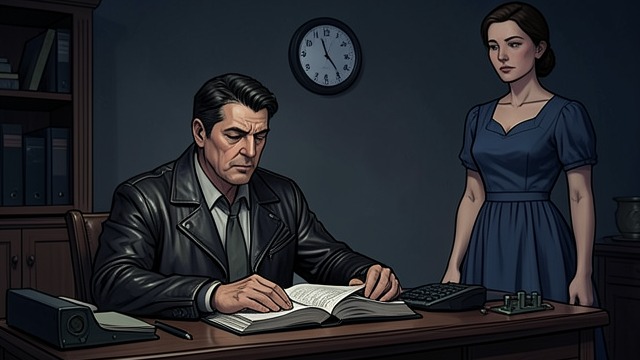
He records slights and humiliations in a special book, assigning them weights and imagined punishments. The ledger gives his resentment structure and a future purpose; rather than reconcile himself to diminished authority, he waits for a chance to retaliate.
A family that cannot read him
The younger generation treats his silence as evidence of weakness, while he continues to regard them as part of the world that has injured him. This mismatch makes the household’s quietness deceptive: beneath it, WH 1 is rehearsing a reckoning that the others do not expect.
The Children’s Unequal Lives
The Children’s Unequal Lives
A household without intimacy
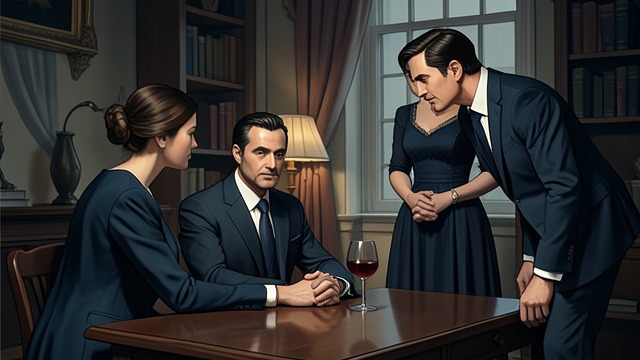
The von Dohren family gathers for formal meals in a grand house, where rituals and safe topics conceal emotional distance. Wealth and social standing do not produce trust or tenderness among the generations.
WH 3’s private isolation
Wilhelm Heinrich von Dohren (Third Generation) is absorbed by sexual frustration, his appearance, and his unattainable attachment to Petra. His family’s resources do not protect him from shame or teach him how to form a mutual relationship.
The family’s brittle continuity
WH 2 faces the failing company, WH 1 nurses old grievances, and the younger generation imagines futures disconnected from the family’s real condition. Their separate disappointments reveal a dynasty that retains its name and property even as its shared purpose and emotional bonds erode.
A Reconciliation Rejected
A Reconciliation Rejected
A carefully arranged gesture
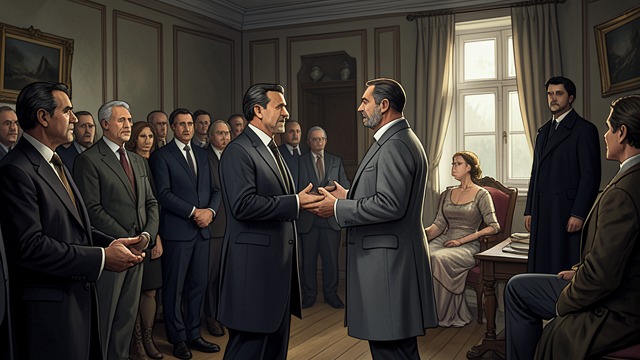
WH 2 persuades senior shipping figures to rehabilitate his father and plans for Gerhard Leyendieker to announce the decision at WH 1’s eightieth birthday. WH 2 hopes to give his father public recognition and bring an end to decades of exclusion.
The public announcement
The birthday gathering includes dignitaries and family members. Leyendieker delivers a formal speech and presents reconciliation as a generous settlement, but the ceremony does not address the deeper history of the family’s wealth or the elder man’s feelings.
Silence at the decisive moment
WH 1 has prepared a denunciation and a detailed personal reckoning, but age and exhaustion leave him unable to speak. He neither welcomes the reconciliation nor carries out his planned revenge. The silence reveals that resentment has outlasted the strength required to act, while the family’s public gesture cannot create the reconciliation it claims to offer.
The Nazi period and its aftermath
From the 1960s into 1974
The twenty years before his eightieth birthday
During the 1970s family gatherings
WH 1’s eightieth birthday
